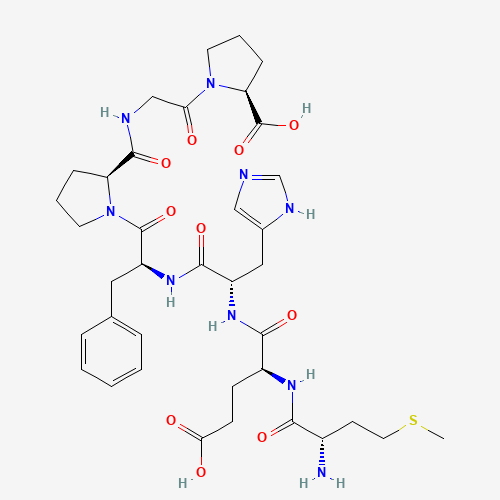
Semax
ACTH(4-7) Analog
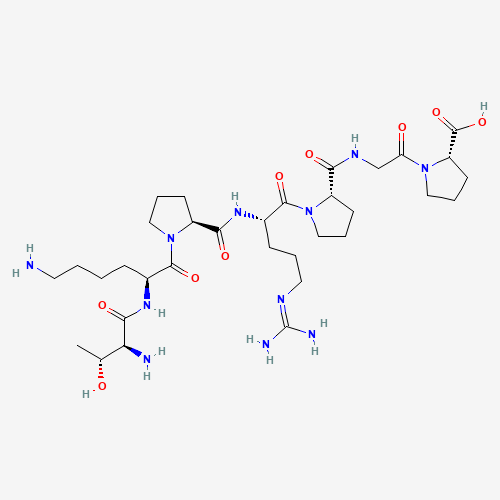
Selank
Tuftsin Analog
| Property | Semax | Selank |
|---|---|---|
| Category | ACTH(4-7) Analog | Tuftsin Analog |
| Formula | Met-Glu-His-Phe-Pro-Gly-Pro | C33H57N11O9 |
| Molecular Weight | 813.93 g/mol | 751.87 g/mol |
| Published Studies | 50+ | 40+ |
| Clinical Status | Approved in Russia | Approved in Russia |
| Overview | A synthetic heptapeptide studied for neurotrophic factor regulation (BDNF, NGF) and neuroprotective signaling. | A synthetic tuftsin analogue studied for anxiolytic signaling, BDNF modulation, and immunomodulation. |
Semax — Key Details
What Is Semax?
Semax is a synthetic heptapeptide (7 amino acids) analog of ACTH(4-7) with a Pro-Gly-Pro C-terminal extension that enhances metabolic stability. Developed at the Institute of Molecular Genetics (Russian Academy of Sciences), it has been approved as a prescription drug in Russia and several CIS countries since 2001.
Investigated Mechanisms
- BDNF expression — Brain-Derived Neurotrophic Factor, critical for neuron survival and synaptic plasticity
- NGF expression — Nerve Growth Factor, involved in neuron development and maintenance
- Serotonergic system — modulation of tryptophan hydroxylase and serotonin metabolites
- Dopaminergic system — influence on tyrosine hydroxylase expression
Important Notes
Semax is not FDA-approved in the United States. While it holds regulatory approval in Russia for cerebrovascular conditions, the clinical data from Russian studies has not undergone the FDA's drug approval process. It has no approved therapeutic indication in Western countries.
Sources
- According to Dolotov, O.B. et al. (2006). "Semax, an analogue of ACTH(4-10) with cognitive effects, regulates BDNF and trkB expression." Brain Research, 1117(1), 54-60. [PubMed]
- According to Filippenkov, I.B. et al. (2020). "Semax neuroprotective effects: transcriptome analysis." BMC Genomics, 21, 402. [PubMed]
Selank — Key Details
What Is Selank?
Selank is a synthetic heptapeptide analogue of tuftsin with a Pro-Gly-Pro extension. Approved in Russia since 2009.
Mechanism
Modulates serotonin, dopamine, and norepinephrine while increasing BDNF expression.
Applications
- Anxiolytic signaling
- BDNF expression
- Immunomodulation
- Enkephalin metabolism
Not FDA-approved in the US.
Sources
- According to Zozulya, A.A. et al. (2008). "Selank peptide anxiolytic." Bull Exp Biol Med. [PubMed]