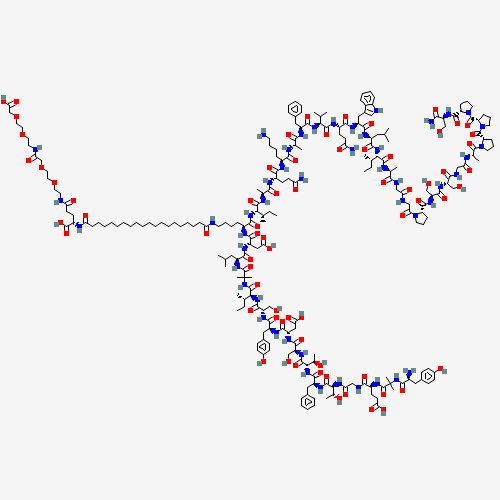
Tirzepatide
GIP/GLP-1 Dual Agonist
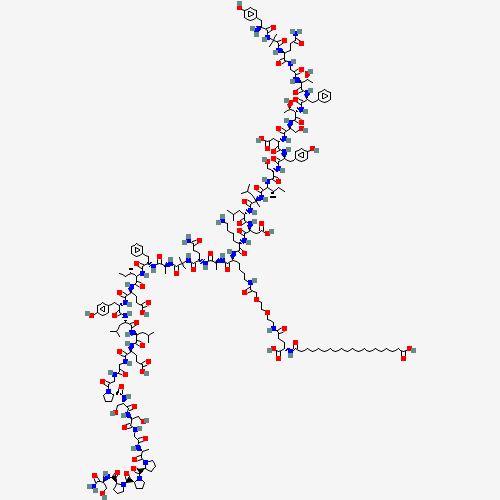
Retatrutide (GLP-3 RT)
Triple Agonist
| Property | Tirzepatide | Retatrutide (GLP-3 RT) |
|---|---|---|
| Category | GIP/GLP-1 Dual Agonist | Triple Agonist |
| Formula | C₂₂₅H₃₄₈N₄₈O₆₈ | C₂₁₉H₃₃₄N₅₈O₆₈S |
| Molecular Weight | 4,813.45 g/mol | 4,963.5 g/mol |
| Published Studies | 47+ | 12+ |
| Clinical Status | FDA-Approved (2022) | Phase 3 Clinical Trials |
| Overview | The first dual-incretin agonist, simultaneously targeting GIP and GLP-1 receptors. FDA-approved as Mounjaro® and Zepbound®. | A novel triple-agonist targeting GLP-1, GIP, and glucagon receptors. In Phase 3 clinical trials with Eli Lilly. |
Tirzepatide — Key Details
What Is Tirzepatide?
Tirzepatide is a first-in-class dual GIP/GLP-1 receptor agonist — meaning it activates two incretin receptors simultaneously. Developed by Eli Lilly, it received FDA approval in 2022 as Mounjaro® for type 2 diabetes and in 2023 as Zepbound® for weight management.
Unlike single-target GLP-1 drugs (semaglutide), tirzepatide's dual mechanism is believed to produce synergistic metabolic effects that neither receptor activation alone can achieve.
How Does It Work?
Tirzepatide binds to both GIP receptors and GLP-1 receptors on cell surfaces, triggering intracellular cAMP signaling cascades. GLP-1 activation stimulates insulin secretion and suppresses glucagon. GIP activation enhances insulin sensitivity and influences energy metabolism and fat storage.
Key Clinical Data
- SURPASS-2 trial: Tirzepatide demonstrated superior A1C reduction vs. semaglutide in head-to-head comparison (Frías et al., 2021, NEJM)
- SURMOUNT-1 trial: Participants receiving 15mg tirzepatide achieved mean weight reduction of 22.5% over 72 weeks (Jastreboff et al., 2022, NEJM)
- Phase 3 trials are ongoing for MASH/NASH, heart failure with preserved ejection fraction, and obstructive sleep apnea
Sources
- According to Frías, J.P. et al. (2021). "Tirzepatide versus Semaglutide Once Weekly in Patients with Type 2 Diabetes." NEJM, 385(6), 503-515. [PubMed]
- According to Jastreboff, A.M. et al. (2022). "Tirzepatide Once Weekly for the Treatment of Obesity." NEJM, 387(3), 205-216. [PubMed]
- According to Rosenstock, J. et al. (2021). "Efficacy and safety of a novel dual GIP and GLP-1 receptor agonist tirzepatide." The Lancet, 398(10295), 143-155. [PubMed]
Retatrutide (GLP-3 RT) — Key Details
What Is Retatrutide?
Retatrutide (LY3437943, informally "GLP-3 RT") is a triple-hormone receptor agonist developed by Eli Lilly. It simultaneously activates GLP-1, GIP, and glucagon receptors — adding a third target beyond tirzepatide's dual mechanism.
The glucagon component is theorized to increase energy expenditure and promote hepatic fat oxidation, potentially addressing metabolic dysfunction more comprehensively.
Mechanism of Action
By engaging all three receptors, retatrutide aims to modulate appetite (GLP-1), improve insulin sensitivity (GIP), and increase metabolic rate through glucagon-mediated thermogenesis. This triple-agonist approach is unprecedented in clinical development.
Key Clinical Data
- Phase 2 trial (2023): Participants receiving the highest dose achieved mean weight loss of 24.2% at 48 weeks — the largest reduction seen in any obesity drug trial at the time (Jastreboff et al., 2023, NEJM)
- Phase 2 MASH data: 90% of participants receiving retatrutide achieved resolution of MASH with no worsening of fibrosis
- Phase 3 trials commenced in late 2023/2024
Sources
- According to Jastreboff, A.M. et al. (2023). "Triple-Hormone-Receptor Agonist Retatrutide for Obesity." NEJM, 389(6), 514-526. [PubMed]
- According to Rosenstock, J. et al. (2023). "Retatrutide, a GIP, GLP-1 and glucagon receptor agonist, for people with type 2 diabetes." The Lancet, 402(10401), 529-544. [PubMed]