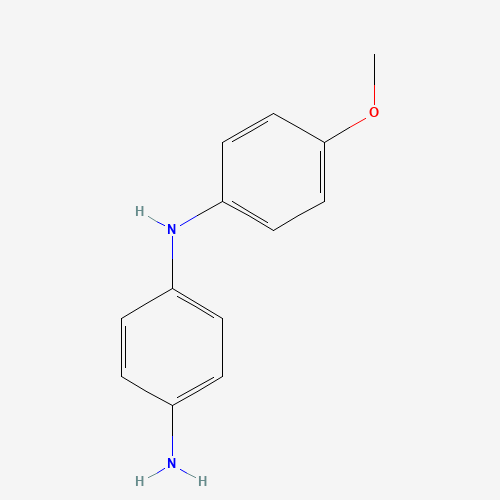
TB-500
Thymosin Beta-4 Fragment
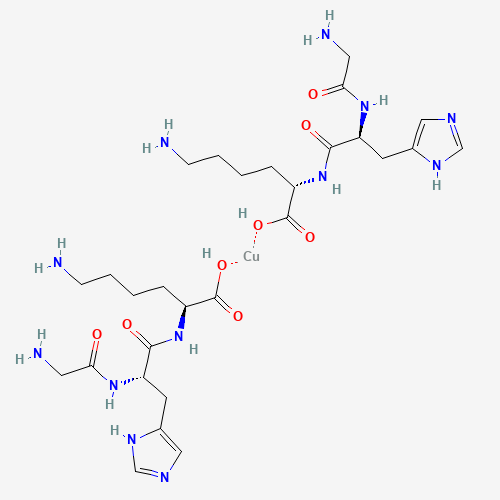
GHK-Cu
Copper Tripeptide
| Property | TB-500 | GHK-Cu |
|---|---|---|
| Category | Thymosin Beta-4 Fragment | Copper Tripeptide |
| Formula | C212H350N56O78S | Gly-His-Lys·Cu²⁺ |
| Molecular Weight | 4,963.44 g/mol | 403.93 g/mol |
| Published Studies | 80+ | 60+ |
| Clinical Status | Preclinical Research | Active Research |
| Overview | A 43-amino-acid peptide studied for actin-binding protein interactions and cellular migration in wound healing models. | A naturally occurring copper-binding tripeptide studied for gene expression modulation across 4,000+ human genes. |
TB-500 — Key Details
What Is TB-500?
TB-500 is a synthetic version of Thymosin Beta-4, a 43-amino-acid peptide first isolated from the thymus gland. It plays a central role in actin polymerization.
Mechanism of Action
TB-500 binds to G-actin monomers, regulating actin filament assembly critical for cell motility. The active region is LKKTETQ.
Investigated Applications
- Cell migration in wound scratch assays
- Actin polymerization via G-actin sequestration
- Inflammatory modulation via NF-kB pathway
- Angiogenesis via VEGF upregulation
Not FDA-approved. Banned by WADA. Preclinical data only.
Sources
- According to Goldstein, A.L. et al. (2012). "Thymosin beta4: multi-functional regenerative peptide." Expert Opin Biol Ther. [PubMed]
GHK-Cu — Key Details
What Is GHK-Cu?
GHK-Cu (glycyl-L-histidyl-L-lysine copper complex) is a naturally occurring tripeptide first isolated from human plasma by Dr. Loren Pickart in 1973. Its concentration in human plasma declines significantly with age — from ~200 ng/mL at age 20 to ~80 ng/mL by age 60.
Gene Expression Research
A landmark 2012 study by Pickart et al. found that GHK-Cu influences the expression of 4,000+ human genes — roughly 6% of the human genome. The affected genes are involved in collagen synthesis, decorin production, antioxidant defense, and DNA repair pathways.
Investigated Applications
- Extracellular matrix remodeling — collagen I, III, and decorin synthesis
- Copper-dependent enzyme activation — superoxide dismutase (SOD)
- Gene expression modulation — suppression of fibrinogen and activation of TGF-β
- Dermatological research — multiple studies on skin fibroblast behavior in cell culture
Sources
- According to Pickart, L. et al. (2012). "GHK peptide as a natural modulator of multiple cellular pathways." BioMed Research International, 2012, 206237. [PubMed]
- According to Pickart, L. & Margolina, A. (2018). "Regenerative and protective actions of GHK-Cu peptide." Int J Mol Sci, 19(7), 1987. [PubMed]